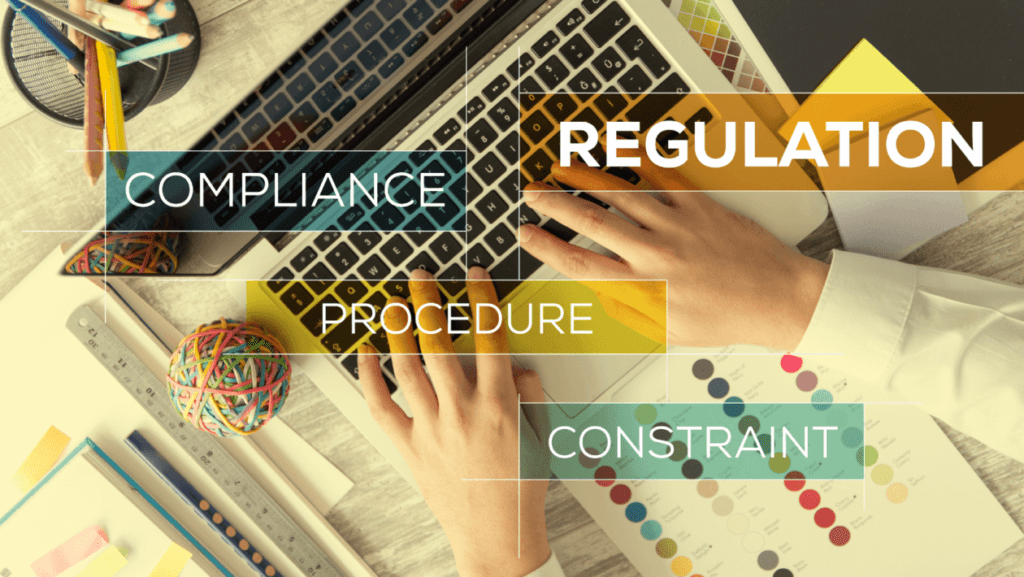
As the digital asset industry continues to grow and mature, regulatory compliance has become a crucial aspect for businesses operating in this space. The decentralized and global nature of digital assets presents unique challenges when it comes to adhering to regulatory requirements. However, technology has emerged as a powerful tool to enhance regulatory compliance in the digital asset space. In this blog, we will explore the role of technology in facilitating and strengthening regulatory compliance efforts for digital asset businesses.
- Know Your Customer (KYC) and Anti-Money Laundering (AML) Procedures
Know Your Customer (KYC) and Anti-Money Laundering (AML) procedures are critical for digital asset businesses to comply with regulatory requirements. Technology plays a vital role in automating and streamlining these processes. Here’s how technology enhances KYC and AML compliance:
a. Identity Verification: Advanced identity verification tools leverage technologies such as artificial intelligence (AI) and machine learning (ML) to verify the identity of customers. These tools can analyze multiple data points, including government-issued identification documents and biometric data, to ensure accurate and efficient verification.
b. Risk Assessment: Technology enables digital asset businesses to assess the risk associated with each customer or transaction. AI algorithms can analyze patterns, detect anomalies, and flag potentially suspicious activities for further investigation. This proactive approach strengthens AML compliance efforts and helps prevent money laundering and terrorist financing.
c. Transaction Monitoring: Technology solutions enable real-time monitoring of transactions, providing businesses with the ability to detect and respond to suspicious activities promptly. Automated transaction monitoring systems can analyze transactional data, identify unusual patterns, and generate alerts for further investigation.
- Regulatory Reporting and Audit Trails
Compliance with regulatory reporting requirements is crucial for digital asset businesses. Technology plays a pivotal role in generating accurate reports and maintaining comprehensive audit trails. Here’s how technology enhances regulatory reporting and audit trails:
a. Automated Reporting: Technology solutions can automate the process of generating reports required by regulatory authorities. These solutions extract relevant data, compile it into the required format, and generate reports efficiently. Automated reporting not only saves time and reduces the risk of human error but also ensures compliance with specific reporting timelines.
b. Immutable Audit Trails: Blockchain technology, the backbone of many digital assets, provides a decentralized and immutable ledger. Digital asset businesses can leverage blockchain to create transparent and tamper-proof audit trails. Every transaction recorded on the blockchain is permanently stored, creating an audit trail that can be easily audited by regulators or internal auditors.
- Data Privacy and Security
Data privacy and security are paramount in the digital asset space. The decentralized nature of digital assets requires robust security measures to protect sensitive customer information. Technology plays a crucial role in enhancing data privacy and security:
a. Encryption and Secure Storage: Advanced encryption techniques ensure that customer data remains secure during transmission and storage. Encrypted storage solutions, combined with secure key management practices, provide an additional layer of protection against data breaches and unauthorized access.
b. Multi-factor Authentication (MFA): MFA adds an extra layer of security to user accounts. By leveraging technologies such as biometrics, one-time passwords, or hardware tokens, digital asset businesses can strengthen access controls and protect against unauthorized account access.
c. Data Protection Compliance: Technology solutions can assist digital asset businesses in complying with data protection regulations such as the General Data Protection Regulation (GDPR). These solutions automate data privacy processes, including data subject access requests, consent management, and data breach notifications.
- Smart Contracts and Compliance Automation
Smart contracts, powered by blockchain technology, have the potential to revolutionize compliance in the digital asset space. Smart contracts are self-executing contracts with predefined rules and conditions. Here’s how they enhance compliance:
a. Transparency and Accountability: Smart contracts provide transparency by automatically executing predefined rules and conditions. This transparency ensures that contractual obligations are met and eliminates the need for intermediaries, reducing the risk of non-compliance.
b. Regulatory Compliance Embedded in Code: Compliance requirements can be encoded into smart contracts, ensuring that transactions and activities comply with relevant regulations. Smart contracts can automatically enforce compliance measures, such as limiting transaction amounts or verifying the accreditation status of investors.
c. Auditable and Immutable Records: Smart contracts create auditable and immutable records on the blockchain. This feature provides regulators with the ability to review transactions and activities, enhancing transparency and accountability.
- Regulatory Intelligence and Monitoring
The regulatory landscape for digital assets is constantly evolving. Staying informed about regulatory changes is crucial for compliance. Technology solutions provide real-time regulatory intelligence and monitoring, enabling digital asset businesses to:
a. Regulatory Updates: Automated systems can aggregate and analyze regulatory updates from various jurisdictions. This allows businesses to stay up to date with changing regulations, ensuring compliance across different markets.
b. Compliance Monitoring: Technology solutions can continuously monitor regulatory compliance by analyzing transactions, detecting potential violations, and providing alerts and notifications to ensure prompt action.
Conclusion
Regulatory compliance is a critical consideration for businesses operating in the digital asset space. Technology plays a pivotal role in enhancing regulatory compliance efforts, offering solutions for KYC and AML procedures, automated reporting, data privacy and security, smart contracts, and regulatory intelligence. By leveraging these technological advancements, digital asset businesses can navigate the complex regulatory landscape more effectively, build trust with stakeholders, and establish themselves as compliant and reputable entities in the digital asset industry.